
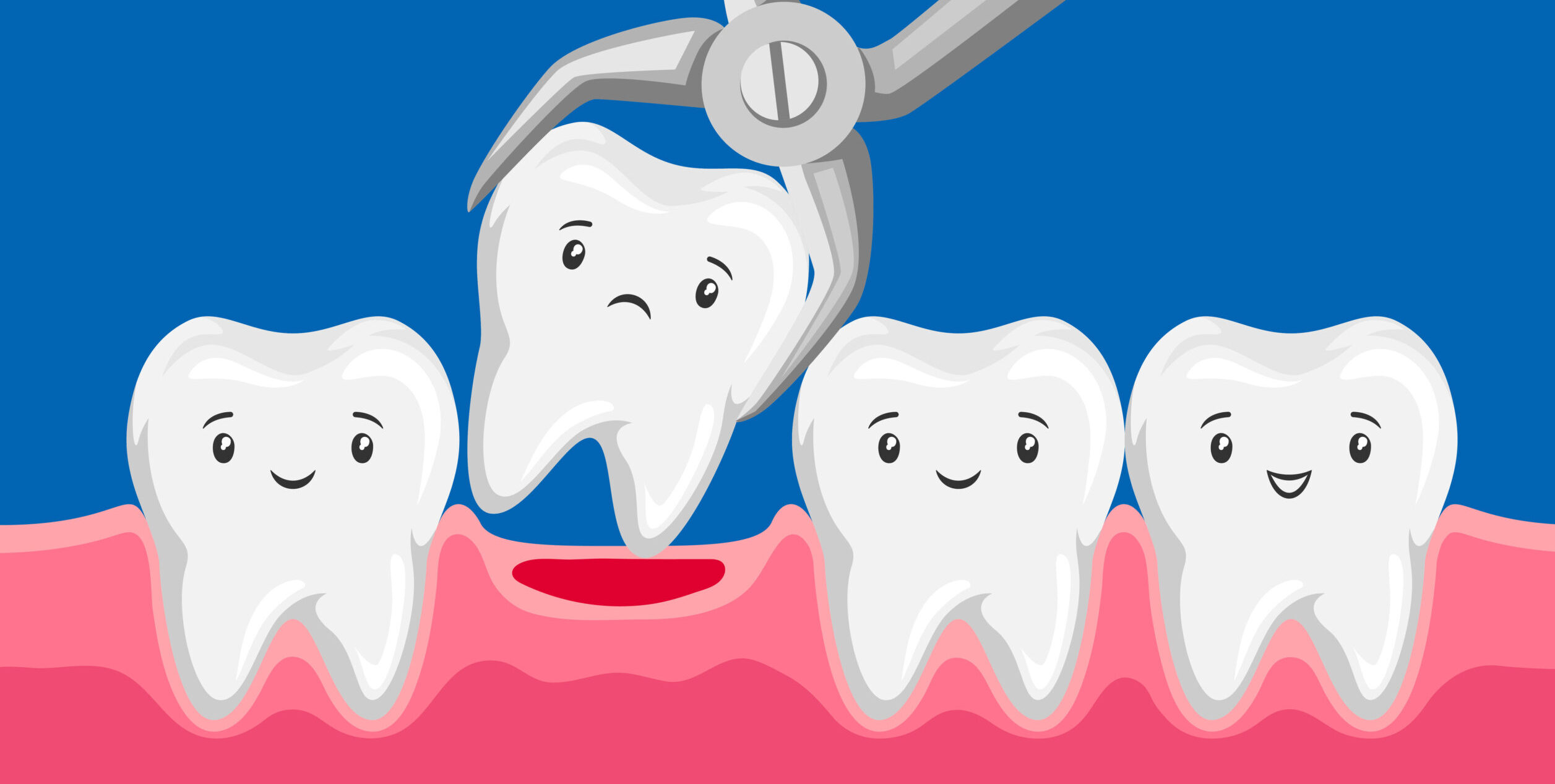
This is one of those questions parents ask with a mix of excitement and nerves. Your child has their first loose tooth, they’re wiggling it constantly, and you’re wondering if you should help it along or just wait. We get it — it’s a milestone moment, and you want to handle it safely.
Here’s the quick answer: in most cases, baby teeth are ready to come out on their own when they’re extremely loose and causing no pain. If your child can wiggle it easily in all directions with their tongue or finger, it’s usually safe to let nature take its course — or give it a gentle assist if needed.
Understanding When Baby Teeth Fall Out
Baby teeth serve as placeholders for the permanent teeth that will eventually replace them. They matter more than many parents realize — they help with chewing, speech development, and guiding adult teeth into proper position.
Most kids start losing their first tooth around age 6, though the range can be anywhere from 5 to 7 years old. If you’re navigating this stage with your child, our preschool years guide covers other developmental milestones happening around the same time. The lower front teeth usually go first, followed by the upper front teeth. The process continues over the next several years as the permanent teeth push up from below, gradually dissolving the roots above them.
You’ll know one is getting close when it starts to wiggle. At first, it might move just slightly. Over days or weeks, it becomes looser until it’s barely hanging on. Normal.
When It’s Safe to Pull at Home — and When It’s Not
Many offices are comfortable with parents helping to remove a very loose tooth at home, as long as a few conditions are met.
It should be extremely loose — wiggling freely in all directions with minimal effort. Your child should feel little to no pain when moving it. Wincing? Not ready yet.
There shouldn’t be significant bleeding, swelling, or redness around the gum. A tiny bit of blood when it comes out is normal, but if the area looks inflamed or infected before you even touch it, give us a call.
Make sure it’s actually a baby tooth, not a permanent one. This sounds obvious, but sometimes parents aren’t sure. Baby teeth are smaller and whiter. If you’re uncertain which type it is, don’t pull it — let us check.
Some situations call for professional help. Don’t pull one that’s only slightly loose. If it’s not moving easily in multiple directions, the root hasn’t dissolved enough yet. Pulling too early can break it, leave part of the root behind, or damage the gum tissue.
Don’t pull if you see swelling, pus, or signs of infection. These need to be treated first.
And definitely don’t pull if the permanent tooth is already coming in behind or beside the baby tooth before the baby tooth has loosened. We call this “shark teeth,” and it’s common. Sometimes we need to remove the baby tooth to make room, but that’s best done in our office where we can ensure proper spacing.
Checking If It’s Ready
Before you do anything, test how loose it really is. Have your child gently wiggle it with their tongue or a clean finger. Can they move it forward and backward? Side to side? Does it twist easily? If yes to all of those, it’s probably ready.
Warning signs it’s not: barely moves, sharp pain when touching it, bleeding with gentle wiggling. Stop. Wait.
How long should you wait? If it’s wiggly but not quite ready, give it a few more days. In our experience, most that are starting to loosen will be ready to come out within a week or two of active wiggling.
Preparing Your Child Emotionally
Some kids are excited. Others are anxious. We see both all the time.
Explain what’s going to happen in simple terms. “Your baby tooth is ready to come out so your big kid tooth can grow in. It might feel a little weird for just a second, but then it’ll be done.”
Avoid using scary words like “yank” or “rip.” Keep it matter-of-fact.
Let them know they’re in control. If they want to wiggle it out themselves over a few days, that’s fine. If they want your help, that’s fine too. Giving them some say reduces anxiety.
I had a five-year-old patient last month who insisted on wiggling hers out herself “because I’m brave now.” Took her three days of determined wiggling during breakfast, but she did it. Her mom sent me a photo of the biggest smile. Sometimes kids surprise us.
Another dad brought his seven-year-old in after trying to pull his son’s tooth three times at home. Each time, his son would get scared at the last second and pull away. We used a tiny bit of topical numbing gel, talked the boy through it, and had it out in ten seconds. Sometimes a neutral setting just helps.
Gentle Methods to Help It Come Out Naturally
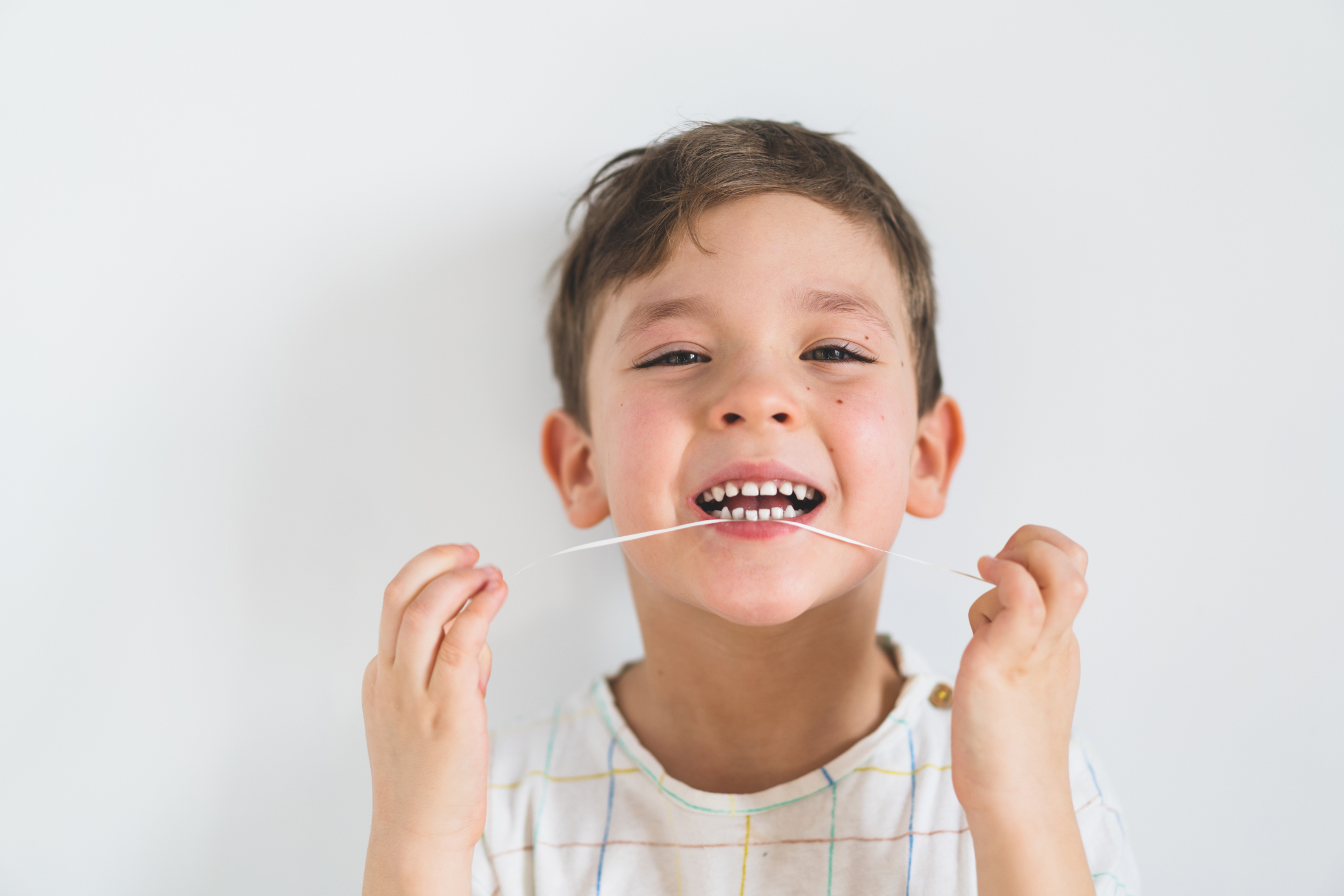
The best approach is usually to let your child wiggle it with their tongue or clean fingers over several days. This gradual loosening is painless and lets it come out when it’s truly ready.
Crunchy foods can help too. Biting into an apple, carrot, or piece of toast sometimes provides just enough pressure to dislodge a very loose one. Just make sure your child knows to be gentle and stop if it hurts.
While you’re waiting, keep the area clean. Regular brushing around a loose tooth is still important, though your child should be gentle in that spot. If you’re looking for tips on managing other common childhood concerns during this stage, our hand, foot, and mouth disease guide covers another milestone many families encounter around the same age.
Step-by-Step: Pulling It Out
If it’s extremely loose and ready to come out, here’s how to do it safely.
Wash your hands thoroughly. Have your child rinse their mouth with water.
Use a clean piece of gauze or tissue. Fold it over to get a good grip. The tissue also absorbs saliva, which makes it easier to hold on.
Grip firmly but gently. Hold it between your thumb and forefinger with the gauze.
Give it a quick, gentle twist and pull. The motion should be swift but controlled — think of removing a band-aid. Don’t yank.
If it doesn’t come out easily, stop. Don’t force it. It’s not ready yet, and forcing it can cause pain, bleeding, or a break.
After It Comes Out
A small amount of bleeding is completely normal. Have your child bite down gently on a clean piece of gauze for 5-10 minutes. The pressure helps stop the bleeding.
If bleeding continues beyond 10-15 minutes or seems excessive, call us.
For pain relief, most kids don’t need anything, but if your child is uncomfortable, age-appropriate doses of acetaminophen or ibuprofen are fine. Follow the dosing instructions on the package. If you’re wondering about other common discomforts like baby fever, we have guidance on when to worry and when to monitor at home.
Avoid giving your child hot foods, hard foods, or anything acidic for the next few hours. Stick with soft, cool options like yogurt, applesauce, or ice cream.
Have them rinse gently with water after eating to keep the area clean, but don’t let them swish vigorously or spit forcefully for the first day — that can dislodge the clot forming in the socket.
Caring for the Gap and When to Call Us
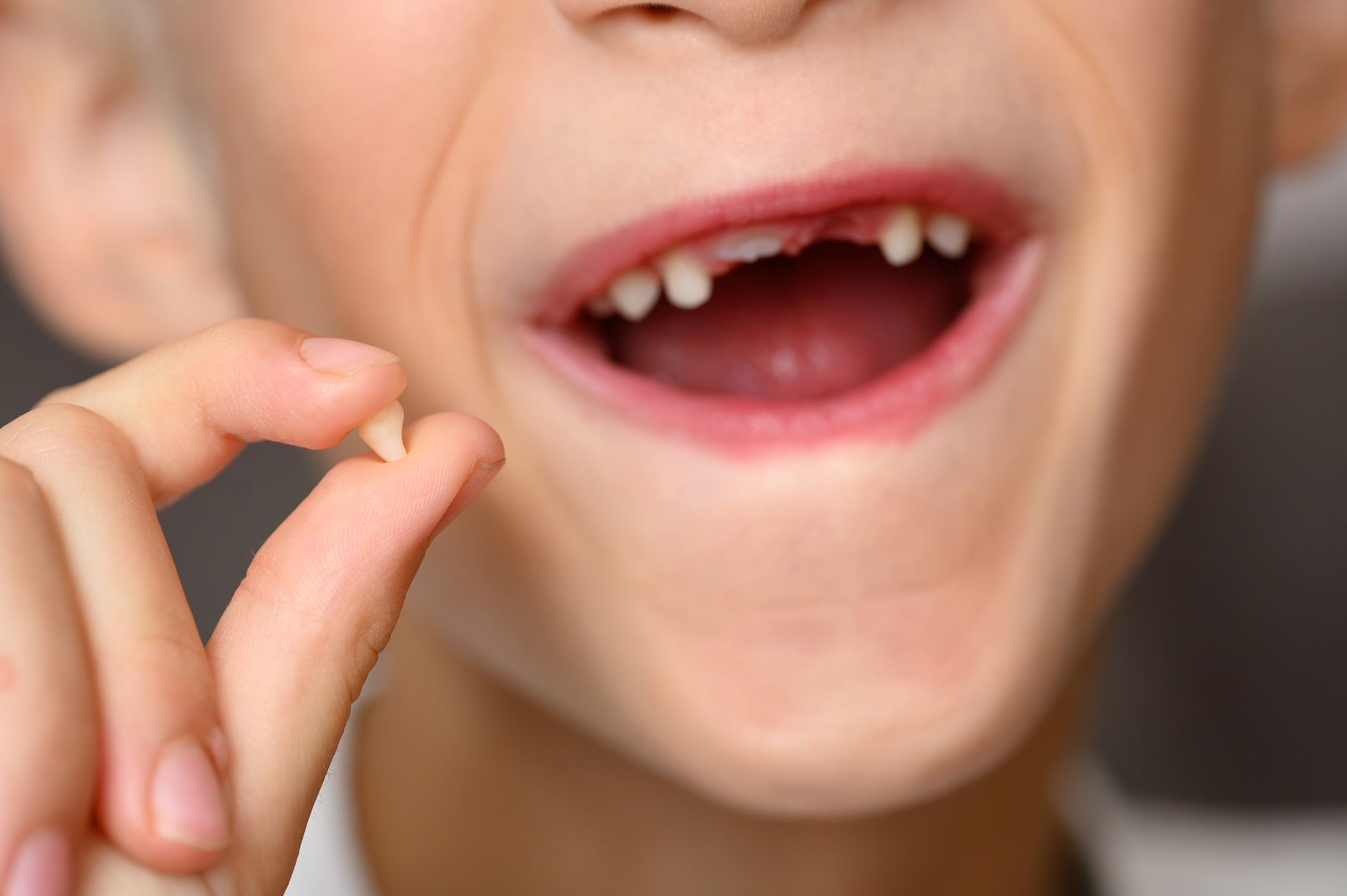
The empty socket will look a little raw at first, and you might see the edge of the permanent tooth starting to poke through the gum. Both are normal.
Keep the area clean by continuing regular brushing, but be gentle around the gap. Avoid sticky, hard, or crunchy foods for a day or two. Soft foods are easier.
Watch for signs of infection: increasing pain after the first day, swelling, fever, or a bad smell coming from the area. These are rare but worth monitoring.
Call us if the tooth breaks and part of the root is left behind — don’t try to dig it out. Call if your child has excessive pain, swelling, or bleeding that doesn’t stop with pressure after 15 minutes. Call if the new permanent tooth is coming in at an odd angle or seems crowded.
And if you’re just not sure whether it’s ready to come out or if something looks off, it’s always okay to bring your child in for a quick check. If you’re due for a routine appointment anyway, you can check our well-visit schedule to see when your child’s next checkup is. That’s what we’re here for.
What Not to Do
You’ve probably heard about the old “tie a string to the tooth and slam a door” trick. Please don’t. It’s unpredictable, can cause unnecessary pain, and risks breaking the tooth or injuring the gum. The American Academy of Pediatrics has guidance on safe tooth removal — and it doesn’t involve doors or string.
Don’t force or yank one that isn’t extremely loose. Patience is key.
Avoid using pliers, tweezers, or any tools. Your clean fingers with gauze are all you need.
If you want to see a gentle demonstration of the process, this video walks through safe removal in a way that might help if you’re a visual learner.
Celebrating the Milestone
Losing a first tooth is a big deal for kids. Make it fun.
Praise your child for being brave, even if they were nervous.
If you do the Tooth Fairy tradition, let them put it under their pillow or in a special container.
Use the moment as a teaching opportunity. “These big teeth are the ones you’ll have forever, so we need to take really good care of them by brushing and flossing every day.” Similar to how we talk about infant hunger cues as a teaching moment for feeding, losing teeth is a chance to reinforce good oral hygiene habits.
Questions Parents Often Ask
Is it okay to pull your baby’s tooth out?
If the tooth is only slightly loose or there’s resistance when you tug, it’s not ready yet. Pulling too soon can cause unnecessary pain, bleeding, and fear around losing future teeth. Let nature take its course and give it more time.
How can I pull a baby tooth out without it hurting?
Kids are often tempted to wiggle the loose tooth with their tongue or fingers. Provided they do so gently, let them wiggle away, as this will help it loosen and fall out. You can also fold a piece of clean tissue over the tooth and gently squeeze if it’s extremely loose.
Do baby teeth hurt to get pulled out?
When done at home and the tooth is very loose, there’s usually little to no pain. Your child might feel brief pressure or a strange sensation, but if they’re wincing or saying it hurts, the tooth isn’t ready yet. If we need to remove one in our office, we can use numbing gel to make sure they’re comfortable.
Does losing baby teeth affect speech?
Baby teeth help children form the structure needed to articulate sounds and learn language skills. Temporary gaps from lost teeth can cause minor, short-term changes in how certain sounds are pronounced, but this resolves quickly as permanent teeth come in. If a child experiences premature tooth loss from decay or injury, it can have a bigger impact on speech development.
Important Disclaimer: This article is for general educational purposes only and is not a substitute for professional pediatric advice. Always consult your pediatrician for personalized guidance about your child’s health and development. If you have concerns, please contact East Lake Pediatrics directly.